
Landscape advice · Auckland wide

Good decisions, from the ground up.

Practical starting points for planning an outdoor space, renewing a garden, choosing planting and caring for what grows. For homes, commercial properties and landscapes people share.

Find a useful starting point
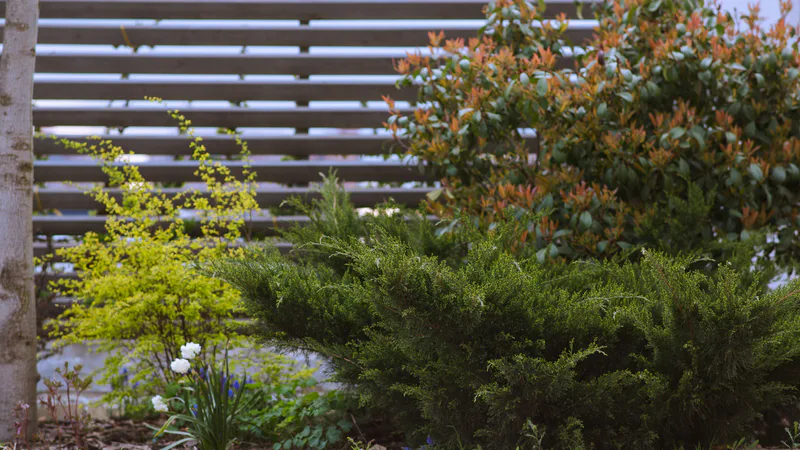
Mixed shrubs and foliage in a garden bed beside a slatted fence

01 · Before you start

Prepare for landscape design

Start with how the space needs to work. You do not need to have every plant or material chosen.

Walk through the property and write down the three changes that would make the biggest difference. These might be a clearer entrance, a more usable outdoor area or planting that is easier to look after. Note what already works as well as what frustrates you.

Bring a useful picture of the place

  • Take wide photos of the areas involved, plus closer views of specific problems.
  • Gather existing plans or measurements if you have them.
  • Describe who uses the space and how they move through it.
  • Share priorities, preferred timing and a budget indication if you have one.

For a commercial or shared property, include access arrangements and who needs to agree the scope. A body corporate entrance, for example, may need to balance planting, pedestrian movement and ongoing care.

If layout, levels, materials and planting all need to change, consider them together before committing to individual elements. Chris leads landscape and planting design through Neda Landscaper; the useful level of design depends on the property.

Explore landscape design

02 · An existing garden

Decide what to keep and change

A garden renovation does not have to start with removing everything.

Look at the garden’s structure before making a plant shopping list. Which trees or shrubs give it character? Where is access awkward? Which areas feel crowded, bare or disconnected? Photographs from several angles can help you see these relationships.

Match the work to the problem

  • Care: the layout works, but the garden needs attention and a clearer care routine.
  • Planting renovation: the main spaces work, but the planting needs a new direction.
  • Wider design: movement, levels, outdoor use or the relationship with the building also needs to change.

Check the conditions in areas where plants have struggled. Replacing them without considering light, soil or exposure may leave the underlying problem unresolved. Note where soil stays wet or dries quickly and discuss those observations before choosing replacements.

If work will be staged, agree what is being retained and how later work will connect. This is especially useful where residents, visitors or staff need continued access.

03 · Planting choices

Match plants to the place

Begin with the conditions and the space available, then build the planting palette.

A plant that looks right in a photograph may not suit the place you have for it. Auckland gardens can vary in light, exposure and soil conditions, even across one property. Make a few observations before choosing.

Four things worth noting

  • Light: which areas receive direct sun, and which stay shaded?
  • Exposure: where does wind move through the garden, and where is it sheltered?
  • Soil and moisture: which areas remain wet after rain, and which dry out quickly?
  • Space: how much room is available as plants grow, including beside paths, entrances and buildings?

Consider the mature size of each plant rather than only its size in the nursery container. Choose plants with the way the property is used and the care available in mind. At a shared entrance, clear movement and future maintenance access deserve attention alongside appearance.

For local plant information, Auckland Botanic Gardens provides a useful guide to what grows in Auckland (opens in a new tab). Its planting-planning advice (opens in a new tab) also explains why light, wind and future growth matter.

Explore planting and garden renovations

04 · After planting

Make a plan for ongoing care

Decide who will look after the landscape and what they need to check as it settles in.

Planting is followed by a period of establishment. Ask for care guidance suited to the plants and the property, rather than relying on the same routine for every garden. Include the time and access needed for that care in the plan.

Agree the everyday responsibilities

  • Who will check the new planting and carry out the agreed watering?
  • Who will manage weeds and keep paths and access clear?
  • What changes in plant or lawn condition should be raised for review?
  • How will care fit around occupants, visitors and use of the property?

Mulch can help retain soil moisture and suppress weeds. The right material and care approach should suit the planting. Auckland Botanic Gardens includes this in its shrub planting guidance (opens in a new tab).

For commercial and body corporate sites, make responsibility clear between the property contact, occupiers and anyone carrying out regular care. Keep a simple note of the agreed work and anything that needs follow-up. An established garden can also benefit from reviewing its care needs as the landscape changes.

Take the next step

Your next step, shaped around your property.

These guides help you prepare. The design, planting or care approach still needs to be considered for your property and the work you have in mind.